
All About Home Generators
What Happens to Your Pets During a Power Outage?
Why Ontario homeowners with dogs, cats, aquariums, or small animals should think about automatic backup power Most people think about power outages in terms of

The #1 Authorized Generac Home Standby Generator Dealer in Ontario

A few years ago, when the power went out at home, most people thought about the same basic things: keeping the fridge cold, keeping the furnace running, having a few lights on, and making sure the sump pump did not stop during a storm.
Those things still matter. They matter a lot.
But the way we live at home has changed.
Today, many Ontario homeowners do not just live in their house. They work from it. They run meetings from it. They manage clients from it. They answer emails, process invoices, take calls, upload files, attend Zoom meetings, monitor job sites, manage online stores, and sometimes run an entire business from a home office.
For those homeowners, a power outage is not just an inconvenience. It can interrupt income, appointments, deadlines, customer service, security systems, internet access, and daily communication.
This is why standby generators are becoming more important for home offices and work-from-home households. A generator is not only about comfort anymore. It is about continuity.
When the power goes out, your home can either stop functioning or keep operating. For a work-from-home household, that difference matters.
Most homes today are full of systems that quietly depend on power.
Your internet modem needs electricity. Your Wi-Fi router needs electricity. Your laptop may have a battery, but your monitors do not. Your desktop computer, printer, external drives, phone chargers, security cameras, smart thermostat, garage door opener, sump pump, furnace controls, and fridge all depend on power.
Even your natural gas furnace needs electricity to run the blower, controls, and ignition. So even if your home is heated by gas, an outage can still affect heating.
For homeowners who work from home, the most frustrating part of an outage is often not darkness. It is disconnection.
You may still have a laptop battery, but your internet is down. You may still have mobile data, but the signal is weak. You may have work to finish, but your second monitor, router, and desktop setup are off. You may have a client call in 20 minutes, but the house is silent and the Wi-Fi is gone.
A small outage can turn into a lost workday.
A standby generator helps protect the systems that keep the home functioning. Depending on the size and setup, it can support the internet equipment, office circuits, heating or cooling, fridge, freezer, sump pump, lights, and other essential loads.
Some homeowners use a UPS, or uninterruptible power supply, for their computer and modem. That is a good idea. A UPS can keep equipment running for a short time, protect electronics from sudden shutdowns, and give you a few minutes to save work.
But a UPS is not a full outage solution.
Most UPS units are designed for short interruptions. They may give you minutes or, depending on the setup, a limited amount of runtime. They are not designed to power your home office, Wi-Fi, heating system, sump pump, fridge, and lights through a multi-hour outage.
A UPS is like a seatbelt for your electronics. A standby generator is like keeping the road open.
The best setup for a serious home office may include both. A UPS protects sensitive electronics during the brief gap between utility power loss and generator transfer. The standby generator then carries the home through the outage.
This combination can be especially useful for people who work with large files, cloud platforms, live meetings, bookkeeping, dispatching, design software, servers, network equipment, or remote client support.
A standby generator is designed to operate automatically.
When utility power fails, the generator senses the outage. After a short delay, it starts. Once it is producing stable power, the automatic transfer switch transfers the home’s selected loads, or whole-home system, to generator power. When utility power returns, the transfer switch moves the home back to utility power and the generator shuts down after a cool-down period.
The homeowner does not have to go outside, pull a cord, pour gasoline, run extension cords, or manually connect equipment.
That automatic operation is one of the biggest advantages for people working from home. If you are in a meeting, on a call, or away from the house, the system can respond without you.
There may still be a brief interruption as the generator starts and transfers power. That is why sensitive computer equipment may still benefit from a UPS. But instead of being out for hours, the home can come back online quickly.
Every work-from-home setup is different, but the most common items to protect include:
Internet modem
Wi-Fi router or mesh system
Desktop computer or docking station
Monitors
Laptop chargers
Printer or scanner
Phone chargers
Network switch
Security system
Smart thermostat
Office lighting
Essential outlets
Backup drives or small server equipment
But a home office does not exist in isolation. During an outage, you may also need the rest of the house to stay comfortable.
That may include:
Furnace or heating system
Air conditioning, depending on generator size and load management
Fridge and freezer
Sump pump
Well pump, if applicable
Kitchen outlets
Bathroom lights
Garage door opener
Medical equipment, if applicable
This is why generator sizing should be based on the whole home, not just the office.
If the goal is to work normally during an outage, the house itself needs to remain livable. It is hard to focus on work if the basement is at risk, the house is getting cold, or the fridge is off.
For some homeowners, an outage is annoying. For remote workers, it can cost real money.
A missed client call can damage trust. A delayed quote can lose a sale. A disconnected meeting can look unprofessional. A missed deadline can create stress. A day without internet can interrupt an entire workflow.
This is especially true for people who run businesses from home.
A realtor, designer, bookkeeper, consultant, therapist, marketing professional, software developer, online seller, insurance broker, project manager, or contractor can all be affected by a sudden outage. Even if the outage only lasts a few hours, it can happen at the wrong time.
And power outages rarely ask permission.
They can happen during a presentation, a deadline, a payroll run, a customer call, or a winter storm when everyone else is also trying to get help.
A standby generator gives the home more resilience. It does not make the internet provider immune to outages, and it does not replace a good mobile backup plan, but it does keep your side of the system powered.
This is an important point.
A standby generator can power your modem and router, but it cannot guarantee that your internet provider’s network will stay online. In many outages, cable, fibre, or wireless internet may continue working if your equipment has power. In other cases, the provider’s local infrastructure may also be affected.
Still, powering your own equipment is the first step.
Many homeowners lose internet during an outage simply because their modem and router are off. If those devices are backed up, the internet may continue working. If the provider’s network is down, you may need a backup option such as mobile hotspot, cellular router, or secondary internet service depending on how critical your work is.
For a serious home office, the best setup may include:
Standby generator for home power
UPS for modem, router, and computer equipment
Cellular backup or mobile hotspot
Surge protection
Cloud backup for important files
A plan for what to do during longer outages
The generator is the foundation because without power, every other device depends on batteries.
Many homes now rely on smart devices.
Smart thermostats, security cameras, smart locks, doorbell cameras, Wi-Fi garage door openers, leak sensors, smoke and CO alarms with connected features, lighting systems, and home automation devices all depend on electricity and internet.
During an outage, these systems may stop working or lose remote access.
That can be a problem if you are away from home. It can also be a problem for cottages, rental properties, or homes with pets, elderly family members, or security concerns.
A standby generator can help keep important smart systems powered. If your internet also stays online, you may be able to monitor the home during an outage, receive alerts, adjust temperature, and keep security systems active.
This is another reason backup power is becoming more relevant. The more connected the home becomes, the more a power outage affects everyday control.
A portable generator can help in some situations, but it is not the same as a standby generator.
A portable generator requires manual setup. You have to bring it outside, start it, fuel it, connect it safely, and manage what it powers. It may not be practical during a work call, heavy rain, winter storm, or when you are not home.
Portable generators can also create safety concerns if used improperly. They must never be operated indoors, in garages, or near openings where exhaust can enter the home.
For a work-from-home household, the biggest weakness of a portable generator is response time. It does not help automatically. It does not protect the home when you are away. It does not start while you are sleeping. It does not restore power without your involvement.
A standby generator is built for automatic response.
That is why many homeowners choose standby power when the goal is not just emergency survival, but continuity.
There is no single answer because every home is different.
A home office itself may not use much power compared with a furnace, air conditioner, well pump, sump pump, or kitchen appliance. But the generator should be sized based on the full backup plan.
A small essential-load setup may protect the furnace, fridge, freezer, sump pump, internet, lights, and office outlets. A larger whole-home setup may allow more normal use of the home during an outage, especially with load management.
Important questions include:
Do you need only the office and essentials?
Do you want the whole home backed up?
Is there a sump pump?
Is there a well pump?
Do you need air conditioning during summer outages?
Is your heating system gas, propane, oil, or electric?
Do you have an EV charger, hot tub, pool equipment, or electric range?
Do you use desktop computers, multiple monitors, or network equipment?
Do you run a business from home?
The right generator is not chosen by guessing. It is chosen by understanding the home and the homeowner’s priorities.
The transfer switch decides how generator power is delivered to the home.
Some systems are designed for selected circuits. Others are designed for whole-home backup. Some use load management to control large appliances and prevent overload.
For a home office, the installer should know which circuits matter. If the office is in a basement, spare bedroom, garage, or separate area, that should be discussed during the consultation. If the modem and router are in a different part of the house, that matters too.
A common mistake is assuming the office will be backed up without confirming the circuit. If the system is selected-circuit backup, the office outlet may need to be included. If the system is whole-home backup, the installer still needs to consider large loads and load management.
The homeowner should ask clearly:
Will my office outlets be backed up?
Will my modem and router stay powered?
Will my furnace and sump pump be included?
Will the system support air conditioning?
Are any circuits excluded?
A good installer will explain this before the system is installed.
Even if only one person works from home, the whole family is affected by outages.
Children may need internet for schoolwork. Parents may need to charge phones. The fridge and freezer need power. The furnace or air conditioner keeps the home comfortable. Security systems and smart locks may be part of daily life. Medical devices may need reliable power. A sump pump may protect the basement.
A home office generator is really a household continuity system.
It keeps the home more normal when the grid is not.
This can be especially valuable during extended outages. A short outage may be manageable. A long outage can become stressful quickly, especially if multiple people need to work, study, communicate, cook, stay warm, or keep devices charged.
Backup power helps reduce that stress.
Ontario homeowners know that outages can happen in every season.
Winter storms can bring snow, ice, and freezing rain. Spring can bring heavy rain and saturated ground. Summer storms can bring wind, lightning, and heat. Fall can bring wet leaves, wind, and early cold snaps.
For work-from-home households, there is no convenient season for an outage.
A winter outage can affect heat and internet. A summer outage can affect air conditioning and food storage. A spring outage can affect sump pumps. A fall outage can interrupt work during busy business months.
This is why backup power should not only be seen as a winter product. It is a year-round home reliability system.
Before getting a quote, make a simple list of what you need to keep running.
For a work-from-home household, include both work and home systems.
Write down:
Where your office is located
Where your modem and router are located
Whether you use a desktop computer or laptop
How many monitors you use
Whether you need printer or scanner power
Whether you run a business from home
Whether you need phone, internet, and security systems
Whether you have a sump pump
Whether you have a well pump
Whether you need heating and cooling
Whether you want whole-home or essential-load backup
This helps the consultant recommend the right setup.
The more specific you are, the better the system can be designed.
A proper standby generator quote should not only list the generator model. It should explain the system.
For work-from-home homeowners, the quote should clarify:
Generator size
Transfer switch type
Whether the setup is whole-home or selected circuits
Whether office circuits are included
Whether modem and router power are included
Whether heating and sump pump are included
Whether air conditioning is included
Whether load management is needed
Fuel type
Installation scope
Permits and inspection process
Warranty and maintenance options
If the quote does not explain what is being backed up, ask.
A generator is too important to buy based on assumptions.
A standby generator is only useful if it works when needed.
For home office reliability, regular maintenance matters. The battery should be tested. The oil and filters should be serviced. The charger should be checked. The generator should exercise properly. Fault messages should not be ignored.
If your generator protects your work, treat it like business equipment.
You would not ignore your computer, internet, or phone system if your income depended on them. The generator deserves the same respect because it protects all of them during an outage.
An annual maintenance plan helps keep the system ready before storm season and before the next surprise outage.
For many work-from-home homeowners, yes.
The value depends on how often you lose power, how important your work is, how much you rely on internet and equipment, and how much disruption costs you.
If you only work from home occasionally and outages are rare, backup power may be more about comfort and peace of mind. If you work from home full-time, run a business, manage clients, or rely on video calls and deadlines, a standby generator can be much more than a comfort upgrade.
It can protect your workday.
It can protect your home.
It can protect your ability to stay connected when the neighbourhood goes dark.
For many Ontario homeowners, the home has become more than a place to live. It is also the office, the meeting room, the classroom, the studio, the dispatch centre, the sales desk, and the place where important decisions happen every day.
That means power matters differently now.
A standby generator can keep essential systems running, help protect internet equipment, support heating and cooling, protect sump pumps and refrigeration, and make outages less disruptive for the entire household.
At Generator Experts, we help Ontario homeowners choose backup power systems based on how they actually live and work. If your home office, internet, sump pump, heating system, or daily routine depends on reliable power, our team can review your home and explain the best generator options for your needs.
Book a free in-home or virtual consultation with Generator Experts and keep your home office ready for the next outage.

Why Ontario homeowners with dogs, cats, aquariums, or small animals should think about automatic backup power Most people think about power outages in terms of

A practical guide for Ontario families caring for seniors, elderly parents, or vulnerable loved ones at home When people talk about standby generators, the conversation
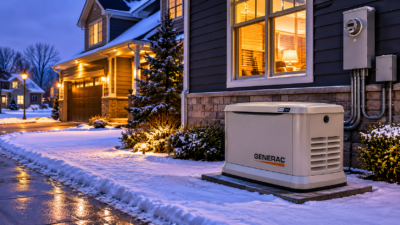
Why automatic standby generators matter for travellers, snowbirds, cottage owners, and busy Ontario families A power outage is stressful enough when you are home. You
A member of our team will be in touch shortly to discuss how we can help to meet your needs.