All About Home Generators
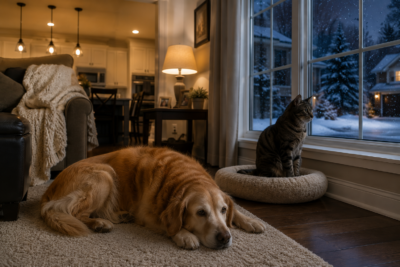
What Happens to Your Pets During a Power Outage?
Why Ontario homeowners with dogs, cats, aquariums, or small animals should think about automatic backup power Most people think about power outages in terms of

The #1 Authorized Generac Home Standby Generator Dealer in Ontario
When people talk about standby generators, the conversation usually starts with appliances.
Will it run the fridge?
Will it run the furnace?
Will it run the sump pump?
Will it run the air conditioner?
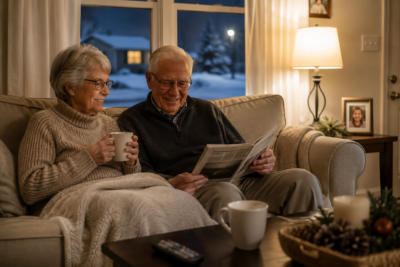
Those are all important questions. But for many Ontario families, the real reason behind a generator is not the appliance itself. It is the person depending on that appliance.
An elderly parent who gets cold quickly.
A spouse with limited mobility.
A grandparent who lives alone.
A family member who depends on powered medical or mobility equipment.
A senior who may not be able to safely go downstairs, check the breaker panel, shovel around equipment, start a portable generator, or deal with a dark house during a storm.
For these households, backup power is not just about comfort. It is about reducing risk, stress, and uncertainty when the power goes out.
A standby generator can make a home safer and more manageable during outages because it starts automatically. It does not require someone to drag a generator outside, fill it with fuel, run cords, or stand in freezing rain trying to figure out what went wrong. When properly installed, it detects the outage, starts on its own, and transfers power to the home through an automatic transfer switch.
That automatic response matters. Especially when the people inside the home may not be able to respond quickly themselves.
For a healthy adult, a short outage may be annoying. You light a candle, use your phone flashlight, wait for updates, and maybe complain about the Wi-Fi being down.
For an older person, the same outage can be much more stressful.
The home may become dark and harder to move through. Stairs can become dangerous. A furnace may stop. A stair lift may not work. Cordless phones may lose function if the base station has no power. Internet-based communication may go down. Refrigerated medication may become a concern. A garage door opener may not work. Security systems and cameras may lose power. If the person lives alone, they may feel isolated quickly.
In winter, the concern becomes more serious. Even if the home uses natural gas or propane heat, the heating system usually still needs electricity for the blower, controls, pumps, or ignition. If the power is out long enough, the home can start cooling down.
In summer, heat can also become a problem, especially for seniors who are sensitive to high temperatures or have health conditions affected by heat.
The point is simple: an outage is not the same experience for every household.
A family with young, healthy adults may handle it one way. A senior living alone may experience it very differently.
The biggest advantage of a standby generator is not just that it produces electricity. It is that it works automatically.
A portable generator can be useful, but it requires physical effort and safe handling. Someone has to take it outside, place it far enough from the home, fuel it, start it, connect it safely, and monitor it. That is not realistic for many elderly homeowners.
It can also be dangerous if done incorrectly. Portable generators should never be used indoors, in garages, or near openings where exhaust can enter the home. They also require fuel storage and manual operation, which can be difficult during storms or winter weather.
A standby generator avoids that problem.
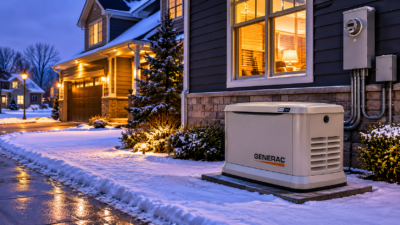
It is permanently installed outside. It is connected to the home through an automatic transfer switch. It runs on natural gas or propane, depending on the home and setup. When the power goes out, it starts without the homeowner needing to do anything.
For families caring for aging parents, that automatic response can provide real peace of mind.
You do not have to wonder whether your parent can safely start a generator.
You do not have to ask them to go outside during a storm.
You do not have to rely on a neighbour to come over at night.
The home has its own backup response.
A generator for a senior’s home should be designed around practical daily needs, not just big appliances.
The most important loads often include:
Furnace or heating system
Air conditioning, if needed for comfort or health
Fridge and freezer
Kitchen outlets
Bathroom lights
Bedroom lights
Main-floor outlets
Internet modem and router
Phone charging area
Medical equipment, if applicable
Mobility equipment charging, if applicable
Sump pump
Garage door opener
Security system
Stair lift, if applicable
Well pump, if the home is rural
Not every home needs whole-home backup. In some cases, an essential-load setup may be enough. In other cases, whole-home backup with load management may be the better choice because it keeps the home feeling more normal during an outage.
The right design depends on the home and the person living in it.
For example, if the bedroom and bathroom are on the main floor, those circuits may be priorities. If the person uses a stair lift, that should be discussed. If the home has a sump pump and finished basement, that matters too. If the person relies on internet calling, monitoring, or security cameras, modem and router power should be included.
A generator consultation should always ask how the home is actually used.
Ontario winters are not forgiving.
A short outage may not be a big problem, but a long outage during freezing weather can become uncomfortable and stressful. For seniors, cold homes can be especially difficult.
Many homeowners assume that because they have a gas furnace, they are protected during a power outage. That is not true. Most modern heating systems still need electricity. The thermostat, blower motor, controls, ignition system, pumps, or zone valves may all depend on power.
A standby generator can keep the heating system operating, depending on the installation design.
For families with elderly parents, this is one of the strongest reasons to consider backup power. Heat is not a luxury in January. It is a basic part of keeping the home safe and livable.
The same idea applies in summer. Some seniors are more vulnerable to heat, and air conditioning may be more than a comfort feature. If cooling is important, the generator system should be designed with that in mind.
During an outage, darkness can create fall risks.
This is especially true for seniors or anyone with mobility challenges. A dark hallway, stairway, bathroom, or basement can become dangerous. Even if the person has flashlights, they may not be within reach. Batteries may be dead. The person may be half asleep when the outage happens.
Backup power can keep key lights working, depending on the circuits included in the system.
This does not mean every light in the house must be backed up. But important areas should be considered:
Bedroom
Bathroom
Hallway
Kitchen
Stairs
Main entrance
Basement access
Garage entry
A good generator system is not only about big equipment. Sometimes the most important thing during an outage is a safe path to the bathroom or kitchen.
That is the kind of practical detail families should think about when planning backup power for aging parents.
Power outages can disconnect people quickly.
Many phones are now cordless or internet-based. Wi-Fi calling, smart devices, security systems, and monitoring tools all depend on power and internet equipment. If the modem and router are off, communication may become harder.
For seniors living alone, this matters.
A standby generator can keep the modem, router, phone chargers, and essential communication equipment powered if those circuits are included. This may allow the homeowner to stay in touch with family, receive alerts, use Wi-Fi calling, or keep monitoring systems online.
Of course, a generator cannot guarantee that the internet provider’s network will always stay active during a wider outage. But keeping the home’s own equipment powered is still an important first step.
Families may also want to combine standby power with a mobile phone plan, emergency contact list, and simple outage instructions placed somewhere visible.
The goal is to reduce panic and confusion when the power goes out.
Some households have medical or mobility equipment that depends on electricity. This might include CPAP machines, oxygen equipment, adjustable beds, lift chairs, stair lifts, mobility scooter chargers, medication refrigeration, or other devices.
If any equipment is medically necessary, it should be discussed clearly during the generator consultation. The installer needs to understand what must remain powered, where it is plugged in, and whether a UPS or additional backup should also be considered for sensitive equipment.
A standby generator can be an important part of the plan, but families should not leave medical backup planning to assumptions. For critical medical devices, it is also wise to speak with the healthcare provider or equipment supplier about backup power requirements.
From the generator side, the key is to identify the circuits and loads that matter. Do not assume the installer knows what is inside the home. Explain it.
A good backup power plan starts with honest information.
Many aging parents live in rural homes, older homes, or properties outside major urban centres.
Rural homes often have additional outage concerns. They may rely on a well pump for water. They may use propane or oil heating. They may have a sump pump, septic pump, long driveway, limited nearby support, and longer utility restoration times during storms.
If the power goes out, the home may lose water, heat, communication, lighting, and refrigeration all at once.
That is a lot for an elderly homeowner to manage.
A standby generator can be especially valuable in these situations because it protects multiple systems automatically. For propane homes, the tank size and fuel level must be planned properly. If the same propane tank feeds the generator and furnace, runtime should be discussed.
Rural backup power is not only about convenience. It can be part of helping a senior stay safely in their home longer.
Many seniors spend part of the winter away from Ontario. Some leave their primary home for weeks or months. Others travel frequently to visit family.
If the power goes out while the home is empty, problems may go unnoticed. Heat may stop. The sump pump may stop. Freezers may thaw. Smart home systems may go offline. A short outage may be fine, but a long outage during cold weather can become a serious risk.
A standby generator can protect the home even when nobody is there. This can be especially helpful when paired with generator monitoring, smart thermostat monitoring, leak detection, and a reliable maintenance plan.
If you are helping your parents prepare a home before winter travel, backup power should be part of the conversation along with furnace service, snow removal, insurance requirements, water shutoff planning, and emergency contacts.
A generator does not replace all winter home protection steps, but it can be one of the strongest layers.
A generator that protects an elderly homeowner must be maintained.
If a healthy adult’s generator fails during an outage, they may still be able to troubleshoot, call around, use a portable generator, stay with someone else, or manage temporarily.
A senior may not have those options as easily.
That is why regular service matters. The battery should be tested. The charger should be checked. Oil and filters should be serviced. Fault history should be reviewed. The exercise cycle should be confirmed. Snow, leaves, rodents, and debris should be checked. The system should be ready before bad weather.
For families, a maintenance plan can reduce worry. Instead of waiting for something to go wrong, the generator is checked before the season when it is most needed.
A standby generator is emergency equipment. It should be treated that way.
If you are thinking about a generator for aging parents, the conversation should be practical and respectful.
Many seniors do not want to feel like they are losing independence. A generator should not be presented as a sign that they cannot manage. It should be presented as a way to make the home easier, safer, and more comfortable during outages.
You might say:
“We want the house to stay warm if the power goes out.”
“We do not want you going outside to start anything during a storm.”
“This would help the sump pump, fridge, lights, and heat keep working.”
“It gives us peace of mind when we are not nearby.”
“This is about making the house easier to manage.”
That framing matters.
A standby generator can support independence. It can help someone stay in their home with less stress during bad weather.
When planning backup power for a senior’s home, ask specific questions.
Will the generator start automatically?
Will the furnace be backed up?
Will important lights be backed up?
Will the fridge and freezer be backed up?
Will the sump pump be backed up?
Will the modem and router be backed up?
Can medical or mobility equipment circuits be included?
Will the air conditioner be supported?
Is the home 100 amp or 200 amp service?
Is load management needed?
Will the system be easy for the homeowner to understand?
Is remote monitoring available?
What maintenance plan is recommended?
Who does the homeowner call if there is a warning or fault?
These questions help make sure the generator is designed for real needs, not just general backup power.
A standby generator is often described as a way to protect appliances, comfort, and property value. That is true. But for many Ontario families, the deeper reason is personal.
It is about making sure a parent’s home stays warm.
It is about keeping lights on so someone can move safely.
It is about keeping communication available.
It is about protecting a sump pump, fridge, medical equipment, or security system.
It is about reducing the stress of wondering what is happening during a storm.
At Generator Experts, we help Ontario homeowners choose standby generator systems based on real household needs. If you are helping an aging parent, senior family member, or vulnerable loved one plan for power outages, our team can review the home and recommend a system that is practical, safe, and easy to live with.
Book a free in-home or virtual consultation with Generator Experts and give your family peace of mind before the next outage.

Why Ontario homeowners with dogs, cats, aquariums, or small animals should think about automatic backup power Most people think about power outages in terms of
A practical guide for Ontario families caring for seniors, elderly parents, or vulnerable loved ones at home When people talk about standby generators, the conversation
Why automatic standby generators matter for travellers, snowbirds, cottage owners, and busy Ontario families A power outage is stressful enough when you are home. You
A member of our team will be in touch shortly to discuss how we can help to meet your needs.