Why Ontario homeowners with sump pumps should think seriously about standby backup power
A finished basement changes the way you look at your home.
It is no longer just concrete walls, storage boxes, a furnace, and a laundry area. It becomes a family room, home office, gym, guest suite, kids’ playroom, theatre room, rental space, or sometimes one of the most expensive renovated areas in the house.
You put money into flooring, drywall, insulation, lighting, furniture, electronics, trim, paint, washrooms, cabinets, and maybe even a full basement apartment. You make it comfortable. You make it warm. You make it part of the home.
But in many Ontario homes, that finished basement depends on one small piece of equipment that most homeowners barely think about until it is too late.
The sump pump.
And the sump pump depends on electricity.
That is where the problem starts.
When a heavy storm hits, when snow melts fast in early spring, when the ground is saturated, or when water starts building around the foundation, your sump pump may be working harder than usual. But those same storms are often the exact conditions that can knock out power.
So the moment your basement needs protection the most, the pump may lose power.
For a homeowner with an unfinished basement, that is already a serious concern. For a homeowner with a finished basement, it can be devastating. A power outage during the wrong rainstorm can turn a beautiful living space into a water damage claim, cleanup project, and months of frustration.
This is why a home standby generator is not just about keeping lights on. In many Ontario homes, it is about protecting the finished parts of the house that are most vulnerable when the power goes out.
The hidden risk in many Ontario basements
Ontario homes deal with a lot of moisture stress throughout the year. We get heavy rain, spring thaw, freeze-thaw cycles, wet snow, sudden storms, and long periods where the ground stays saturated. Some areas have clay soil. Some homes sit lower than the street. Some neighbourhoods have older drainage systems. Some rural homes have sump pits, weeping tile, and pumps that are doing real work behind the scenes.
Most of the time, the system works so quietly that homeowners forget it exists.
The sump pump sits in the pit, the water rises, the float switch activates, the pump runs, and the water is moved away from the house. Everything feels normal.
Until the power goes out.
A sump pump without power is just a plastic or cast-iron object sitting in a hole. It cannot move water. If water keeps coming in and the pump is off, the pit can fill. Once the pit overflows, water starts looking for the easiest path across the basement floor.
And water does not care that you just installed new flooring.
It does not care about the couch, the treadmill, the baseboards, the storage bins, the kids’ toys, the home office, or the rental unit.
This is why sump pump protection should be part of the backup power conversation from the beginning.
Why a battery backup sump pump may not be enough
Many homeowners already have a battery backup sump pump. That can be a good layer of protection. It may help during short outages or brief pump failures. But it is not always enough for every situation.
A battery backup has limits.
It depends on battery capacity, pump demand, water volume, battery age, installation quality, and how long the outage lasts. If the storm is heavy and the pump has to run often, the battery can drain. If the outage lasts many hours or longer, the battery may not carry the home through the whole event. If the backup battery is old or neglected, it may not perform when needed.
This does not mean battery backup systems are bad. They can be useful. But they are not the same as a full standby generator system.
A standby generator can power the main sump pump, and depending on the system design, it can also support other important loads at the same time: furnace, fridge, freezer, lights, internet, security system, and more. It is a whole-home resilience solution, not just one backup battery for one pump.
For homes with finished basements, the stronger question is not “Do I have a sump pump backup?”
The better question is:
“How long can my home keep protecting itself if the power goes out during a storm?”
The finished basement problem: water damage is not just water
Water in a finished basement is different from water on a concrete floor.
Once water reaches finished materials, the damage can spread fast. Laminate flooring, engineered wood, carpet, drywall, insulation, baseboards, doors, cabinets, and furniture can all absorb moisture. Even when the visible water is removed, hidden moisture can remain behind walls and under flooring.
That can lead to odour, mould concerns, swelling materials, damaged finishes, electrical concerns, and a long restoration process.
The cost is not only financial. It is emotional and practical.
A flooded finished basement can mean:
Lost use of living space
Damaged furniture and electronics
Insurance claims and deductibles
Restoration crews in the house
Noise, fans, drying equipment, and disruption
Replacement flooring and drywall
Possible mould remediation
Missed work or family stress
Temporary loss of a basement rental unit
Weeks or months before the space feels normal again
Many homeowners only think about backup power after they go through this once.
But the better time to think about it is before the outage.
What a standby generator can protect during a storm
A properly installed standby generator can do much more than keep a few lights on.
For a home with a finished basement, the most important loads may include:
The sump pump
The furnace or heating system
The fridge and freezer
The internet modem and router
Basement lighting
Selected outlets
Security system
Garage door opener
Well pump, if applicable
Sewage ejector pump, if applicable
Home office equipment
Medical equipment, if applicable
The exact list depends on the generator size, transfer switch setup, and load management design. Some homeowners choose whole-home backup. Others choose essential-load protection. The right option depends on the home and budget.
But for many homeowners, the sump pump is the emotional priority.
If the basement has been finished, rented, renovated, or furnished, the sump pump is not just another circuit. It is protecting an investment.
That is why a good generator consultation should always ask about the basement.
Is it finished?
Is there a sump pump?
Has the home ever had water issues?
Is there a sewage pump?
Is there a basement apartment?
Is the furnace in the basement?
Are there important electronics or storage items downstairs?
Those answers help determine what the generator system should protect.
Power outages and storms often arrive together
One of the reasons sump pump backup matters so much is timing.
Many power outages do not happen on calm, dry days. They happen during the same weather conditions that can bring water toward the house.
High winds can bring down branches and power lines. Heavy rain can overwhelm drainage. Ice storms can damage utility infrastructure. Wet snow can weigh down trees and lines. Spring thaw can raise groundwater around foundations.
In other words, the home may lose power at the exact moment the sump pump needs to run more often.
That is what makes the risk so serious.
A homeowner may think, “Our power only goes out a few times a year.”
But the real question is:
“Will one of those outages happen during the wrong storm?”
It only takes one badly timed outage to cause basement damage.
What about portable generators?
A portable generator can be helpful in some situations, but it is not the same as an automatic standby generator.
A portable generator usually requires the homeowner to be home, move the generator outside, add fuel, start it manually, connect it safely, and manage what is being powered. It may be dark, raining, freezing, windy, or unsafe outside. If the outage happens while you are sleeping, travelling, at work, or away from the cottage, the portable generator does nothing until someone sets it up.
For a sump pump, time matters.
If water is entering the pit quickly, you may not have hours to react. You may not even be home to react.
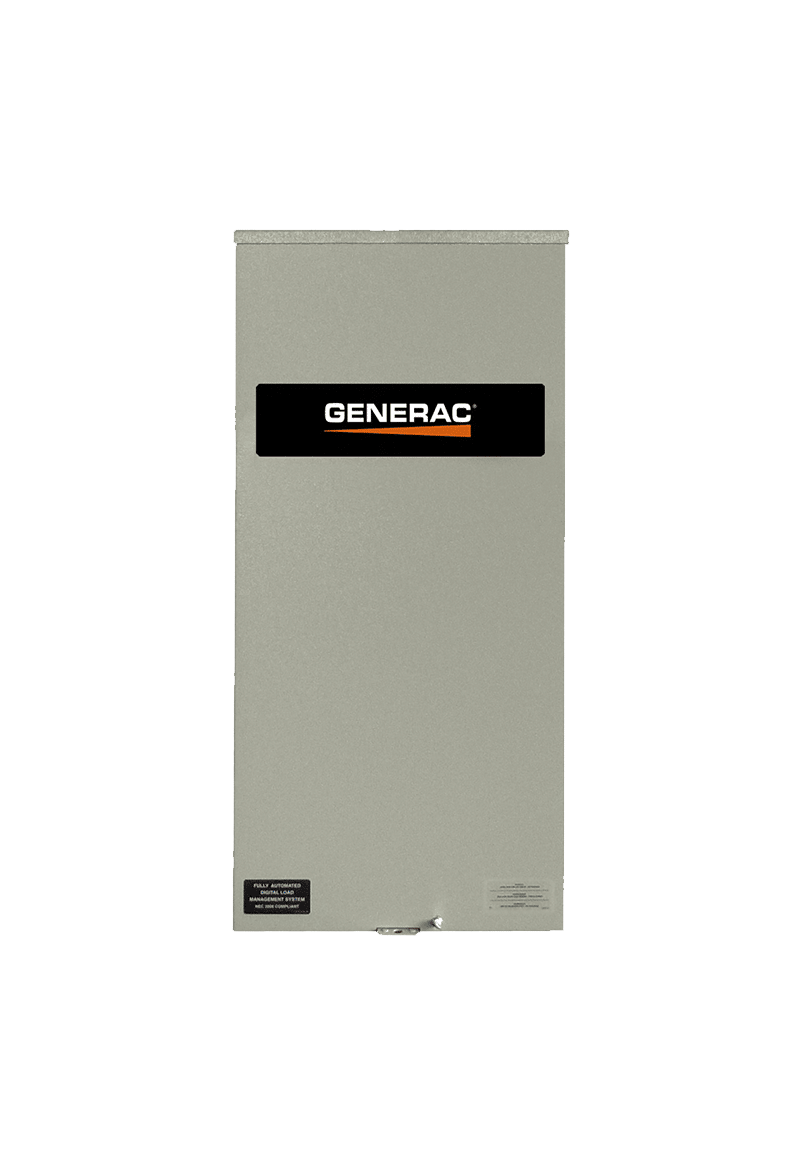
A standby generator is different because it is automatic. When utility power fails, it starts on its own and transfers power through the automatic transfer switch. That automatic response is one of the biggest benefits for sump pump protection.
The pump does not wait for you to wake up. The generator does not wait for you to get home.
That is the difference.
Finished basements, rental units, and home offices
The way people use basements has changed.
Many Ontario homeowners now use basement space for more than storage. A basement may be a second living room, a home theatre, a gym, a studio, a workshop, a home office, or a rental suite.
That changes the value of backup power.
If the basement is a rental unit, water damage can affect a tenant and rental income. If it is a home office, an outage can interrupt work. If it is a gym or entertainment space, the equipment and finishes may be expensive. If it is a family room, it may be one of the most used areas of the home.
A finished basement is often one of the biggest upgrades a homeowner makes. But it is also one of the areas most exposed to water risk.
A standby generator is not just a comfort upgrade in this situation. It can be part of protecting the renovation itself.
What should homeowners check before deciding on a generator?
Before choosing a standby generator, homeowners with finished basements should look at the systems that protect the lower level.
Start with the sump pump. How old is it? Is it properly sized? Does it run often? Does it have a backup? Has it ever failed? Is the discharge line clear? Does the pit fill quickly during storms?
Then look at the electrical side. Is the sump pump on a dedicated circuit? Is the panel accessible? Are there other basement circuits that should be backed up? Is there a sewage ejector pump? Is there a freezer downstairs? Is there a furnace, boiler, or mechanical equipment that needs power?
Then look at the home’s outage history. Have you lost power during storms? How long do outages usually last? Are you in a heavily treed area? Are you in a rural location? Is your neighbourhood prone to flooding or drainage issues?
Then look at how the basement is used. Is it finished? Is it rented? Are there expensive finishes or electronics? Is there anything stored there that would be hard to replace?
A good generator recommendation comes from these answers.
Generator sizing for sump pump protection
A sump pump alone does not usually require a massive generator. But the generator should not be sized for the pump alone unless the homeowner truly only wants that one thing protected.
In real life, homeowners usually want more than the sump pump during an outage. They want heat, refrigeration, lights, internet, and basic comfort. If the home has a well pump, that may also be important. If the home has central air conditioning, that may be discussed as well.
The generator size should reflect the full backup plan.
This is where the consultation matters. A technician should look at the loads, not guess from square footage. A small home with a well pump and sump pump may have different needs than a larger home on municipal water. A finished basement with a sewage ejector pump may need special attention. A home with electric heat may need a different strategy than a home with natural gas heat.
The goal is to design a system that protects what matters most.
Placement matters too
Generator placement should be planned carefully for homes with water concerns.
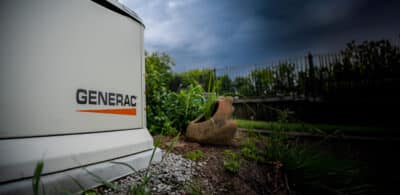
The generator should sit in a location that meets clearance requirements, allows airflow, provides service access, and avoids drainage problems. It should not be placed in a low area where water collects. It should not be buried by snow from rooflines or plowing. It should not be blocked by shrubs, fences, or tight landscaping.
If the home already has drainage concerns, tell the installer.
A generator is outdoor equipment, but it still needs a stable, practical location. A good base, proper elevation where needed, and year-round access can make a big difference.
For homes with finished basements, the generator should be treated as part of the home’s protection system. It needs to be installed in a way that will still make sense during bad weather.
Maintenance is part of basement protection
Installing a standby generator is not the end of the story. Maintenance matters.
A generator that is supposed to protect a basement must be ready before the storm. That means the battery should be tested, the oil and filters serviced, the charger checked, the exercise cycle confirmed, and the unit inspected regularly.
The sump pump should also be maintained. A generator can provide power, but the pump still has to work. The discharge line should be clear. The float should move freely. The pump should be tested. If there is a battery backup pump, its battery should be checked too.
Backup power and water protection go together.
A homeowner who has a finished basement should think of this as a system:
Drainage system
Sump pump
Backup pump, if present
Standby generator
Transfer switch
Maintenance plan
Each part supports the others.
A real-world way to think about the cost
Many homeowners hesitate because a standby generator is a significant investment. That is fair. It is not a small purchase.
But the cost should be compared against what it protects.
A finished basement renovation can cost tens of thousands of dollars. A basement flood can damage flooring, drywall, furniture, electronics, mechanical equipment, and stored items. It can also create stress, cleanup, and disruption that no homeowner wants to deal with.
A generator is not only about convenience. It can help prevent expensive damage when the outage and water event happen at the same time.
For homeowners who have already invested in the basement, backup power is often easier to justify. You are not just buying a generator. You are protecting a part of the home you already paid to improve.
Who should take this seriously?
This article is especially important if:
Your basement is finished
You have a sump pump
Your sump pump runs often
You have had water in the basement before
You live in a low-lying area
You live near mature trees or overhead power lines
You have a basement apartment
You store valuables downstairs
You have a freezer in the basement
You work from a basement office
You travel often
You have a cottage or rural home
You have experienced long outages before
If more than one of these applies to your home, backup power should be part of the conversation.
Final thoughts: protect the space you worked hard to build
A finished basement is one of the most valuable and personal spaces in many Ontario homes. It may be where your family watches movies, where your kids play, where you work, where guests stay, or where a tenant lives.
But that space may depend on a sump pump staying powered during the worst weather.
A standby generator gives your home a stronger layer of protection. It can keep the sump pump running, support heating, protect refrigeration, keep essential circuits active, and reduce the stress of storm-related outages.
At Generator Experts, we help Ontario homeowners choose standby generator systems based on the way they actually live. If your finished basement, sump pump, well pump, or home comfort depends on reliable power, our team can review your property and explain the best backup power options for your home.
Book a free in-home or virtual consultation with Generator Experts and protect your basement before the next storm tests it.